
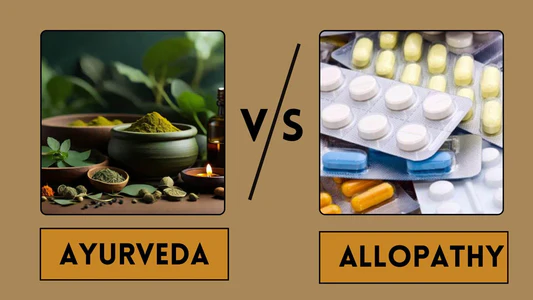
It is no surprise that the choice between Allopathy and Ayurveda has become an interesting question to treat the modern day diseases. While the modern medicines have evolved significantly offering instant relief, surgical precision and technologies that are life-saving. In spite of its scientific progress, the ancient Indian system of holistic wellness – Ayurveda continues to stay relevant and thrives to cure the diseases of the contemporary man.
Today Ayurveda is not only being researched to get scientific validation but the Ayurveda treatments in Kerala are being seeked by people globally. The choice between the two represents their unique strengths and limitations and the important question – which of these two works best for healing.
Understanding the Philosophical Difference – Ayurveda vs Allopathy
Ayurveda (traditional wellness) – The traditional system of holistic wellness, Ayurveda comes from a Sanskrit word which means Ayur – life and Veda that means knowledge. This ancient system of healing works by addressing each body uniquely as per the patient’s body’s constitution and his dosha imbalances.
Instead of directly targeting at the symptoms, Ayurveda first tries to understand the root causes of the issues and then find organic, Side-effect free solutions that bring back balance by balancing the body’s doshas.
For instance if a patient is suffering from high blood pressure, Ayurveda would not just simply prescribe herbs but it would suggest lifestyle recommendation, dietary changes, Ayurvedic treatments and detoxification therapies to bring balance between the Pitta and the Vata doshas that lead to high blood pressure.
Allopathy (modern medicine) – Allopathy also popularly known as the Western Medicine or the modern medicine is rooted in an evidence based science. It is effective in quickly diagnosing diseases, finding the physiological causes and curing the patients using surgery and pharmaceutical remedies. Allopathy’s goal is not to address the root causes of the disease but to offer instant relief and symptom management. Unlike Ayurveda it is quicker and targeted on resolution of symptoms rather than addressing the root causes.
For instance a patient suffering from high blood pressure an Allopathy would be prescribed anti hypertensive drugs that is helpful in preventing complications and balancing the blood flow. The target is to stabilize the person’s blood pressure through measurable parameters. Unlike Ayurveda Allopathy is not a preventive healthcare system.
Speed vs Viability of healing
The concept of Ayurvedic healing is that it views the body as a composition of the five elements of nature and an established interconnection between the body, mind and the soul. Ayurveda’s natural healing is supported through lifestyle recommendations, healing herbs, food changes and following an Ayurvedic routine (Dinacharya). It focuses on building long term resistance so that the reoccurrence of diseases can be prevented.
Allopathy works faster in emergencies. Each organ of the body is treated separately and the entire focus of this healing system is to suppress or control the symptoms of the disease through external intervention. Chemical medications, diagnostics, pharmaceutical remedies and surgeries are the major methods through which Allopathy functions. Unlike Ayurveda it does not work on necessarily building a long term resilience but is effective in offering quick solutions.
The approach to diagnose
Some of the best Ayurveda consultation in Kerala like Lokah Ayurveda offer diagnosis and healing that works over time, but deeply. The therapies, dietary changes and treatment suggested by Ayurveda is to clean the toxins of the body and strengthen Ojas immunity. For instance, Ayurvedic treatments such as the Panchkarma detox may be conducted over a span of weeks but the results are long term and affects the entire body.
Allopathy on the other hand is best for acute and even life threatening conditions because it is capable of providing quick relief. For example, Allopathic treatments such as Antibiotic medicines can instantly work on tackling the bacterial infections and the pain killers can within a very short span of time help in controlling the discomfort and pain.
Solutions and side-effects
While Ayurveda works slowly but it works deeply and effectively. Ayurveda uses therapeutic healing herbs such as Ashwagandha, Turmeric, Guduchi etc which organically improve the body’s defense mechanisms. Although most of the ayurvedic treatments do not hold any side effects because of its organic nature trying to perform self medications without consulting a qualified practitioner or attempting treatments such as Panchakarma that require the presence of a qualified Vaidya can result in issues.
Allopathy on the other hand despite of offering quick fix solutions can result in some side effects. The prolonged use of antibiotics, painkillers or even steroids can disrupt the body’s natural immunity and hamper the gut health. Over consumption of these medicines can also lead to drug resistance and dependency on the drugs.
How to choose what works best for you?
So the final verdict awaits on how to choose what works best for you. So you should understand the nature of your illness first. Whether it is something chronic for which Ayurveda can be followed or something urgent that requires the emergency treatments of Allopathy.
Analyzing your body’s natural constitution and trying to understand whether you are more sensitive to chemicals or natural remedies work fine for you. Also identifying your lifestyle goals will help you decide whether you are someone who wants immediate results or you are looking for lasting wellness.
